Dry Eye and MGD · Eye Health Answers
Dry eye and meibomian gland dysfunction explained
Dry eye is one of the most common reasons people attend an eye clinic, and it is frequently misunderstood. These pages explain why eyes burn, sting and even water excessively, and what treatment actually helps.
What dry eye really is
The surface of the eye is covered by a thin tear film with three components: an oily outer layer from glands in the eyelids, a watery middle layer, and a mucous layer next to the eye. Dry eye occurs when too little tear is produced or, far more commonly, when the oily layer is poor so tears evaporate too quickly.
Because the surface becomes irritated, the eye may respond by producing a flood of reflex tears. This is why many people with dry eye complain of watering rather than dryness, and why drops for redness or allergy often fail to help.
Meibomian gland dysfunction
The oil glands sit in rows within the eyelids and open just behind the lashes. When their oil thickens or their openings block, the tear film destabilises. Lids may look slightly red along the margin, feel heavy in the morning and crust at the lashes. This is the commonest cause of persistent dry eye symptoms.
Assessment and treatment at Standard Eye
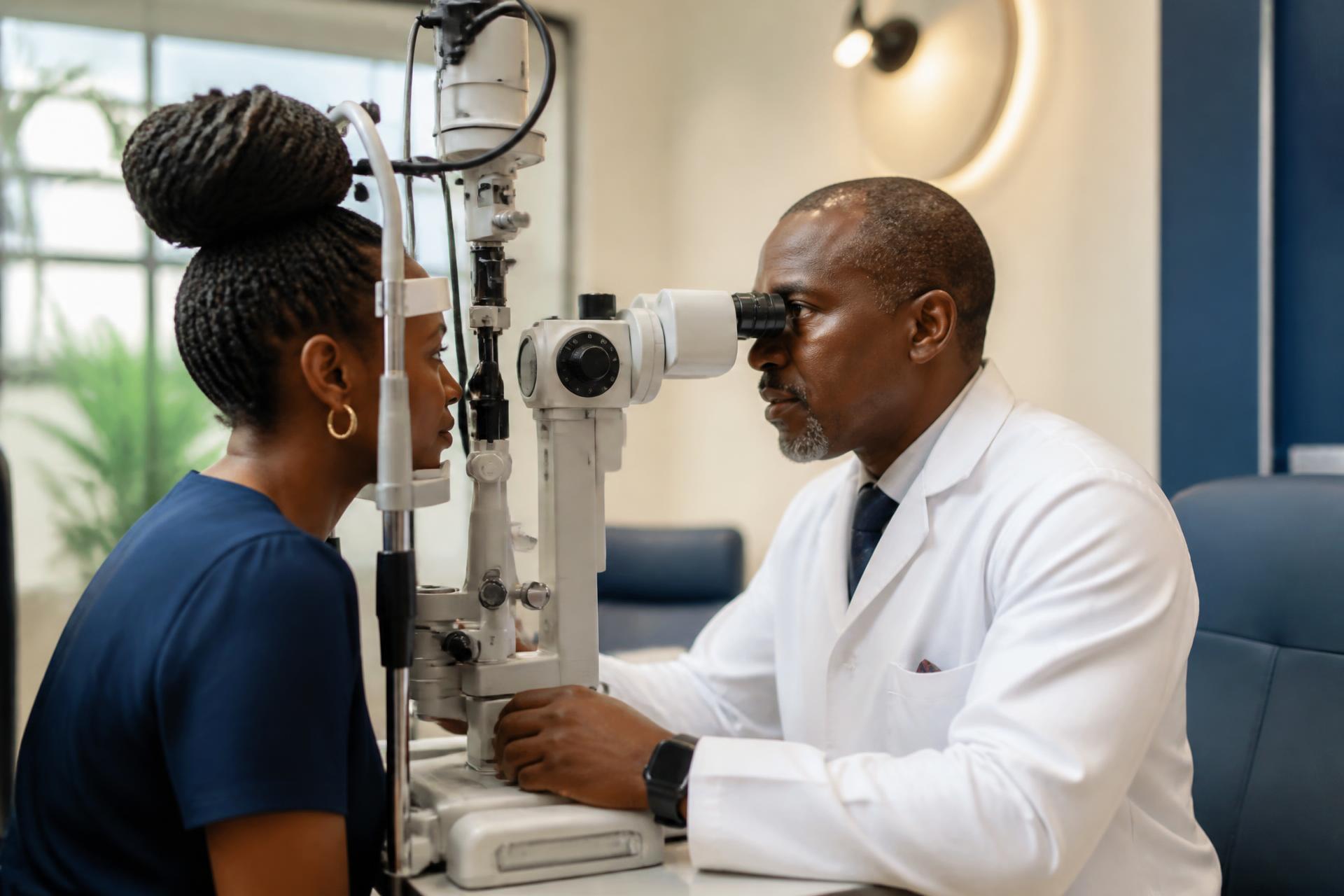
Assessment includes symptom review, examination of the lid margins and gland openings, tear film stability, and examination of the corneal surface with dye where needed, together with a check for other contributing conditions such as allergy or blepharitis.
Standard Eye Specialist Hospital provides dry eye assessment and treatment including lid hygiene programmes, warm therapy, tear supplements and medical treatment of the eye surface. Where a particular treatment is offered by arrangement rather than at every visit, this is confirmed at your appointment.
Frequently asked questions
- Is dry eye curable?
- For most people it is managed rather than cured. Treatment is usually continued long term, and symptoms improve substantially when it is used consistently.
- Can dry eye damage my sight?
- Ordinary dry eye does not usually threaten sight, although vision can fluctuate and blur. Severe, untreated dry eye can damage the corneal surface, which is why persistent symptoms should be assessed.
- Are all eye drops the same?
- No. Lubricants replace the tear film. Drops that whiten the eye, treat allergy or contain steroid do different things and are not interchangeable. Preservative free lubricants are preferred when drops are needed frequently.
Would you like a dry eye and mgd assessment?
Request a specialist assessment at our hospital in Garki, Abuja.
You can also read about our dry eye and mgd clinic and treatments at Standard Eye Specialist Hospital.
Answers in this topic
Common dry eye and mgd questions
Choose the question closest to yours.
What are the symptoms of dry eye?
Dry eye typically causes burning, grittiness or a sandy feeling, tired eyes by the end of the day, redness, blurring that clears when you blink, and difficulty with wind, air conditioning and long screen use.
Read the answerWhy are my eyes watering?
Watering has two broad causes: the eye producing extra tears because the surface is irritated, or tears not draining away properly.
Read the answerWhat is meibomian gland dysfunction?
Meibomian gland dysfunction is blockage or poor function of the oil glands in the eyelids.
Read the answerCan screens cause dry eyes?
Screens do not damage the eyes, but they reduce how often and how completely you blink, so the tear film dries out.
Read the answerHow do I use a warm compress for my eyes?
A warm compress softens thickened oil in the eyelid glands so it can flow again.
Read the answerWhat is eyelid hygiene and why does it matter?
Eyelid hygiene means cleaning the lash line daily to remove crusting, oil and the bacteria that inflame the lid margin.
Read the answerWhat treatments are available for dry eye?
Treatment is chosen according to the cause.
Read the answer