Cataract · Eye Health Answers
Cataract: symptoms, surgery and lens choices explained
A cataract is clouding of the natural lens inside the eye. These pages explain how it develops, how to tell when surgery is worth considering, what the operation involves and what recovery is really like.
What a cataract is
Behind the pupil sits a clear lens that focuses light onto the retina. With age its proteins change and it becomes cloudy and yellow. Light is scattered rather than focused, so vision becomes misty, colours look dull and glare becomes troublesome.
Cataract is not a growth or a skin over the eye. It is the lens itself losing clarity, which is why the treatment is to replace the lens rather than to remove anything from the surface of the eye.
Why cataracts form
- Age, which is by far the commonest reason
- Diabetes, which can cause cataract earlier and progress faster
- Long term steroid medication, including tablets, inhalers, injections and skin creams
- Previous eye injury, inflammation inside the eye or previous eye surgery
- Heavy lifetime sun exposure and smoking
- Rarely, a cataract present from birth, which needs urgent attention in a baby
What care at Standard Eye involves
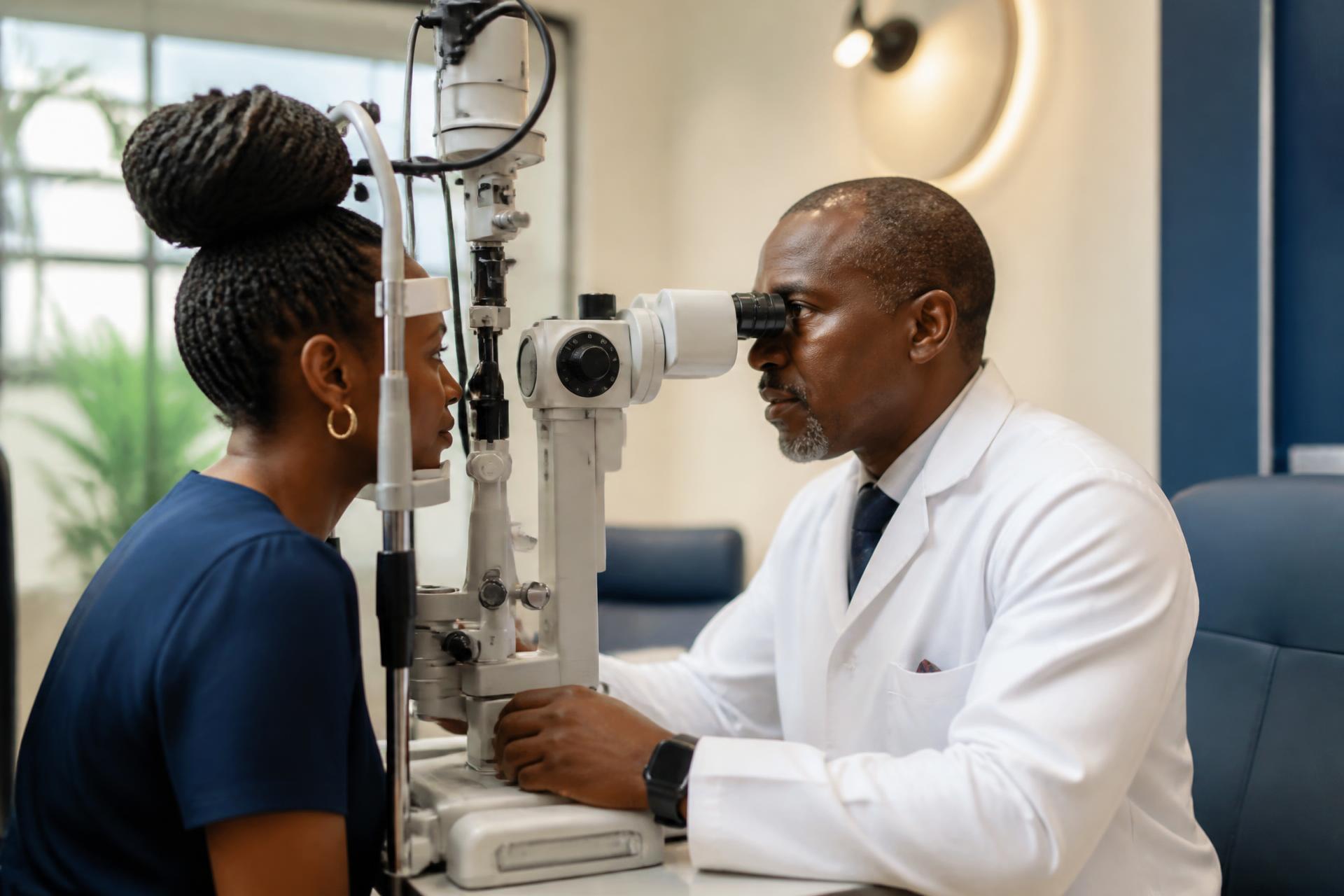
Assessment covers vision and glasses testing, examination of the front of the eye and the lens, eye pressure, and examination of the retina to check that the back of the eye can support good vision after surgery. Measurements of the eye are taken to select the replacement lens power.
Standard Eye Specialist Hospital performs small incision cataract surgery and phacoemulsification with intraocular lens implantation, including complex cataract surgery. The surgeon confirms which technique suits your eye at the pre-operative assessment.
Frequently asked questions
- Can eye drops or medicines clear a cataract?
- No. There is no drop, tablet or exercise that clears a cataract. Surgery to replace the cloudy lens is the only treatment.
- Does a cataract have to be ripe before surgery?
- No. That belief comes from older techniques. Surgery is offered when the cataract interferes with the things you need to do, and very dense cataracts are in fact more difficult to operate on.
- Will I still need glasses afterwards?
- Most people need glasses for some tasks, commonly reading, because a standard implant gives clear vision at one distance. Your options are discussed before surgery.
Would you like a cataract assessment?
Request a specialist assessment at our hospital in Garki, Abuja.
You can also read about our cataract clinic and treatments at Standard Eye Specialist Hospital.
Answers in this topic
Common cataract questions
Choose the question closest to yours.
What are the symptoms of a cataract?
A cataract usually causes vision that is misty or like looking through a dirty window, increasing trouble with glare and night driving, colours that look faded or yellowed, and glasses prescriptions that keep changing.
Read the answerWhen should I have cataract surgery?
The right time is when the cataract interferes with things you need or want to do, such as driving, reading, working or moving about safely, and glasses no longer help enough.
Read the answerWhat happens during cataract surgery?
Cataract surgery removes the cloudy natural lens and replaces it with a clear artificial lens.
Read the answerWhere can I have cataract surgery in Abuja?
Cataract surgery in Abuja is performed at Standard Eye Specialist Hospital, 9 Iwopin Close, Area 1, Garki.
Read the answerWhat lens is used in cataract surgery?
An intraocular lens is a small clear implant that takes the place of your natural lens.
Read the answerWhat is recovery like after cataract surgery?
Vision is usually hazy for the first day or two, then clears over the following week as the eye settles.
Read the answerHow does diabetes affect cataract and its surgery?
Diabetes tends to cause cataract earlier and to make it progress faster.
Read the answer